Compressor Station Offloading
North Dakota
Industry
Energy
Services
Electrical Reliability
HVAC
Key disciplines
Civil/Structural
Control Systems/Electrical Design
Electrical
Procurement
Project Management
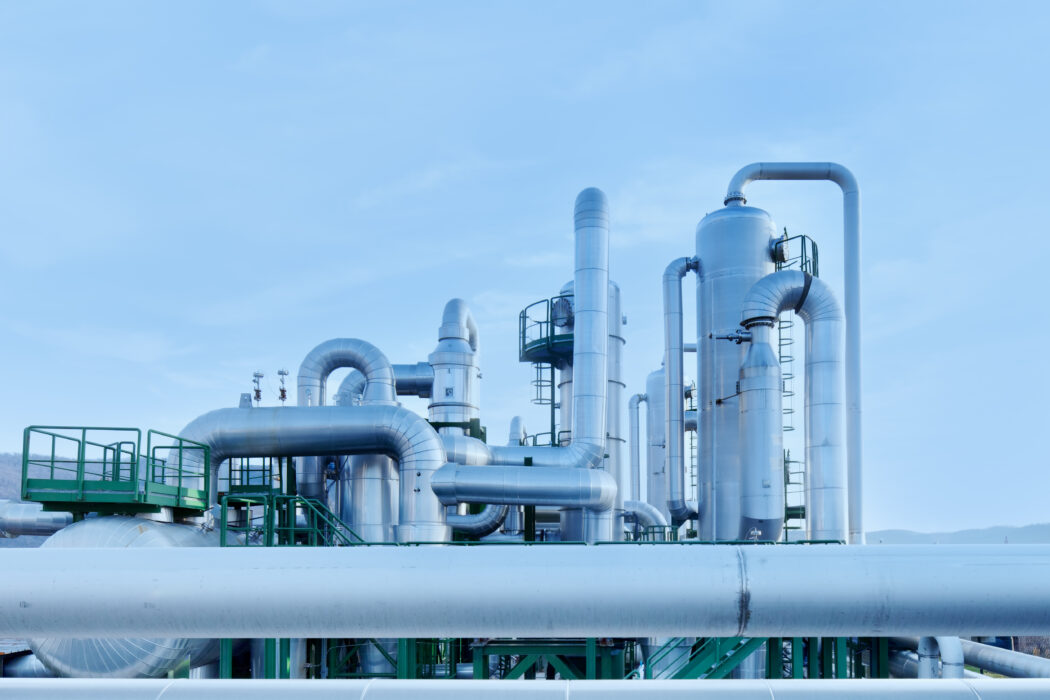
Our client, a natural gas pipeline and processing operator, faced a critical operational constraint at their existing compressor station – a facility Anvil had originally designed in 2013-2014. The pipeline receiving their compressed wet gas had reached full capacity, leaving the facility unable to inject further gas into the system. This created a cascade effect that impacted upstream gas suppliers dependent on them for takeaway.
A nearby pipeline operated by a separate owner had available capacity, but it operated at significantly higher pressure than the client’s facility. To utilize this alternate pipeline, our client needed to boost their gas to meet the new pipeline’s pressure specifications, while also meeting moisture content requirements through dehydration.
Adding to the challenge, our client had a set of unused compression and dehydration skids – equipment purchased for a prior project that was canceled – sitting in storage. Rather than purchasing new equipment, they sought to repurpose these existing assets, including a TEG dehydration unit and additional compressor skids, to solve both problems simultaneously. Anvil was selected to lead the engineering effort given our prior history with the original site design as well as our technical expertise.
Anvil executed a combined Phase 3/Phase 4 scope encompassing front-end engineering, definition engineering, and full Issued-for-Construction (IFC) drawing packages. Working from the original site design knowledge, the team evaluated and engineered all systems required to integrate the new booster compression and dehydration equipment into the existing facility, including:
– Sizing and placement of new booster compressors, TEG dehydration unit, incinerator, and BTEX unit to meet the target pipeline specifications
– Assessment and upgrade of electrical infrastructure, instrument air systems, control systems, and relief header systems for compatibility with increased operating pressures
– Structural foundation design using helical pier systems, with partial package releases to enable construction crews to begin work ahead of winter frost
– Civil, piping, and instrumentation packages engineered for compliance with applicable codes and new operating conditions
The project faced an aggressive client-driven schedule requirement: the facility needed to be operational within 6 months, compressing the effective engineering window to approximately three months – spanning the fall and holiday season. Anvil’s team worked weekends, overtime, and ad hoc coordination sessions with construction vendors to meet IFC milestones on time.
When gaps in available information slowed early progress, Anvil pivoted to engineer the out-of-scope items that were holding the project back, keeping momentum and positioning the team to accelerate once full project clarity was established.
Anvil delivered all IFC construction packages on time, enabling the client’s construction teams to begin site work within the critical pre-frost window. Despite significant construction-side challenges outside of Anvil’s scope – including third-party pipeline tie-in delays and site grading issues, the engineering deliverables were ready on time.
The facility ultimately achieved startup in mid-2025. The client invited Anvil to independently facilitate a formal lessons-learned session to identify what could be done differently on future projects.
– 7,100 hours worked
– Only 3 RFI’s during construction
– CPI = 1.02
– 9.1% indirect cost below industry average of 16%
– Lessons learned finding: Include Anvil more in project development and construction phase to ensure best practices from Anvil are applied across all subcontractors