EPA OOOO (Reduced Emissions) Early Production Facility
Montana
Industry
Energy
Services
Energy Efficiency & Emissions
Key disciplines
Civil/Structural
Control Systems
Control Systems/Electrical Design
Electrical
Mechanical
Piping
Process
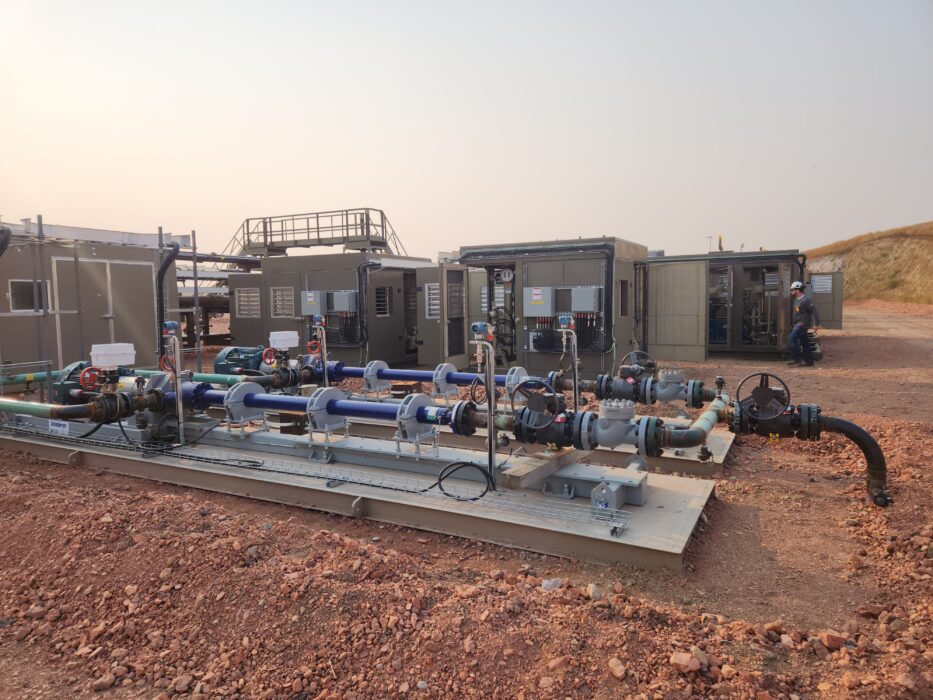
When a North American oil field operator completed an acquisition, they inherited more than new acreage, they inherited a set of facility designs from the acquired operator that did not meet their own engineering standards for quality, detail, or discipline. Bringing those designs up to their internal baseline was already a meaningful undertaking, but the client came to Anvil with two additional layers of complexity layered on top of it.
First, the client needed the redesigned facility to handle significantly greater production volumes than the original design was rated for. Second, and running through everything, was a firm requirement to maintain the highest level of compliance with both the client’s own internal emissions reduction commitments and the federal EPA’s standards for emissions control. All three of these challenges had to be addressed together, within a single integrated effort.
Anvil’s starting point was a comprehensive proposal that gave the client options rather than a single predetermined path. By structuring the engagement around selective FEED (Front-End Engineering Design) studies, Anvil allowed the client to weigh their risk tolerance and budget against the specific gaps identified in the legacy facility design. Each study produced a clear picture of the impact to the overall facility, so the client could make informed decisions about which components warranted investment and which could be carried forward as-is.
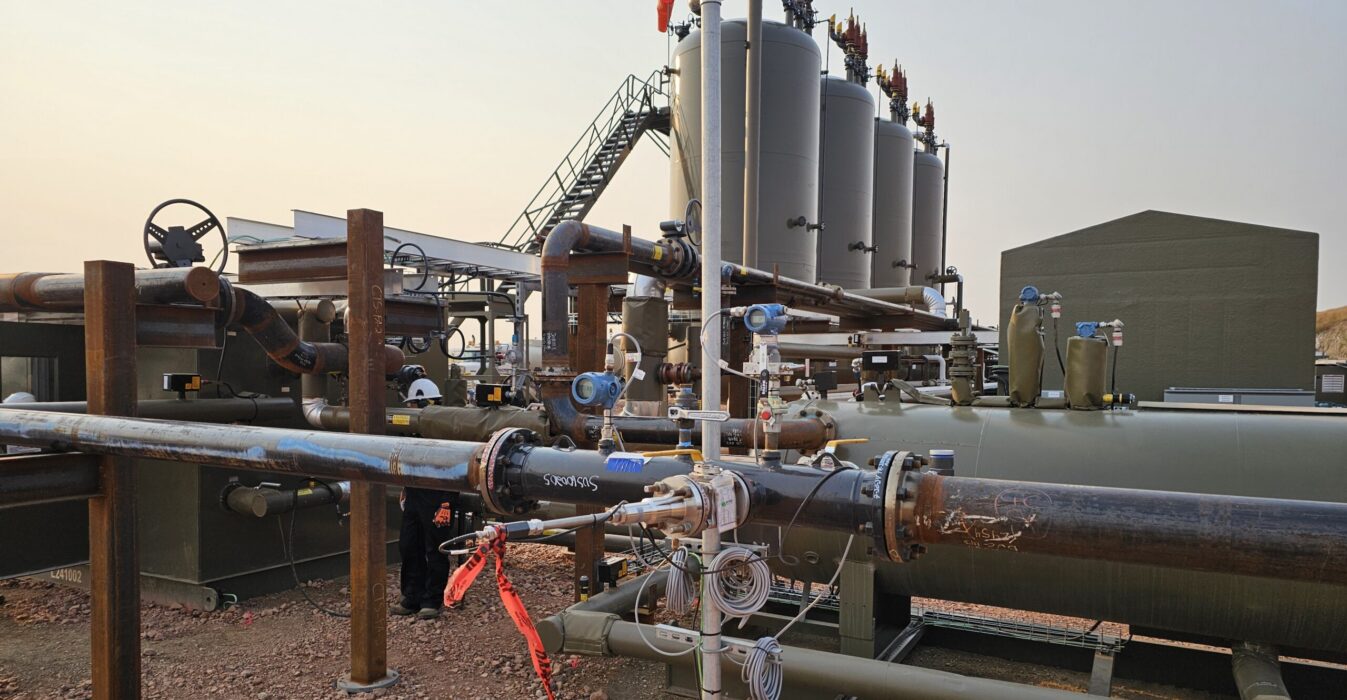
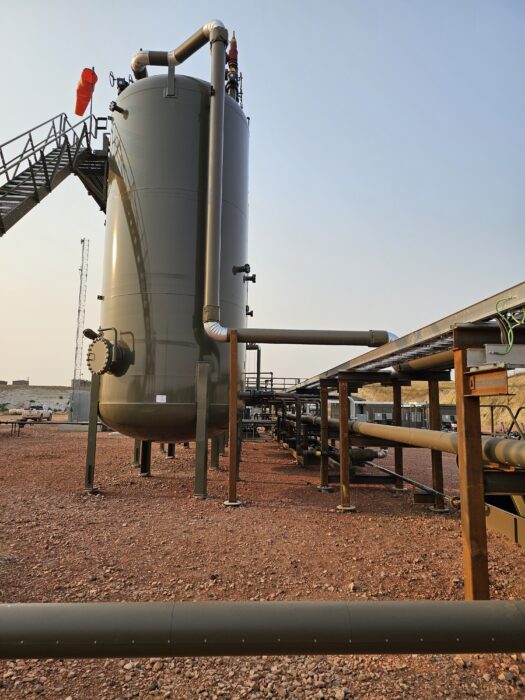
From those decisions, Anvil upgraded the components the client identified as falling below their minimum requirements for quality and safety, while leaving intact the portions that already met the standard. That selective approach preserved the value of the original work and avoided the cost of a full facility redesign from scratch. The result was an updated facility capable of handling the client’s increased production targets, built to their quality and controls methodology, and designed to meet all applicable emissions standards.
The entire project was executed in-house by Anvil’s Engineering and Design teams across every discipline – electrical, civil, mechanical, piping, and process – with no subcontracting of any scope. Procurement services were handled internally as well, with Anvil’s team working directly within the client’s own procurement software to execute purchase orders. This end-to-end ownership is consistent with how Anvil has delivered for this client across several prior engagements.
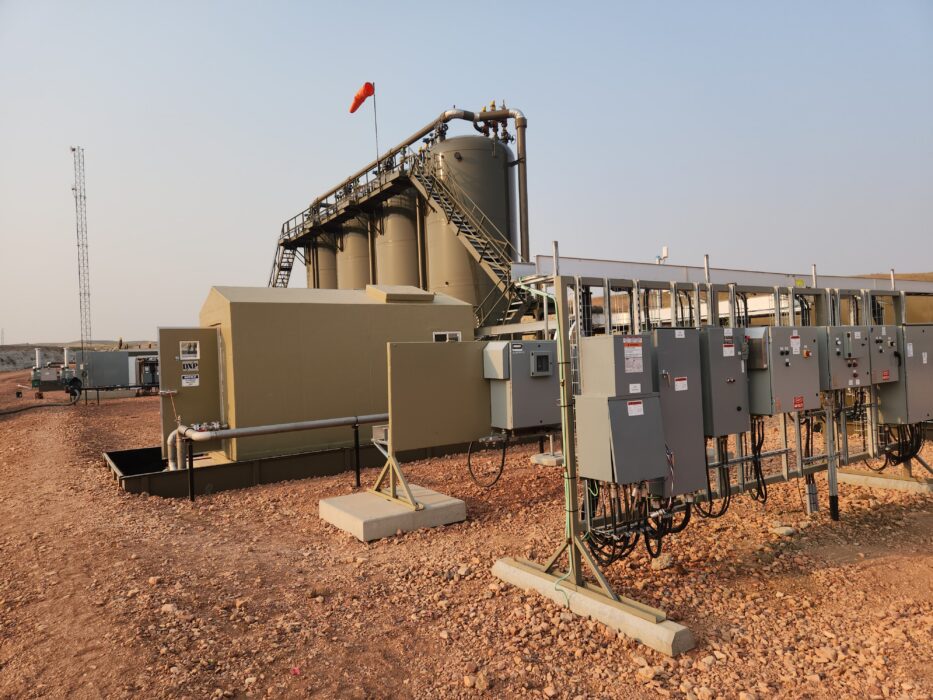
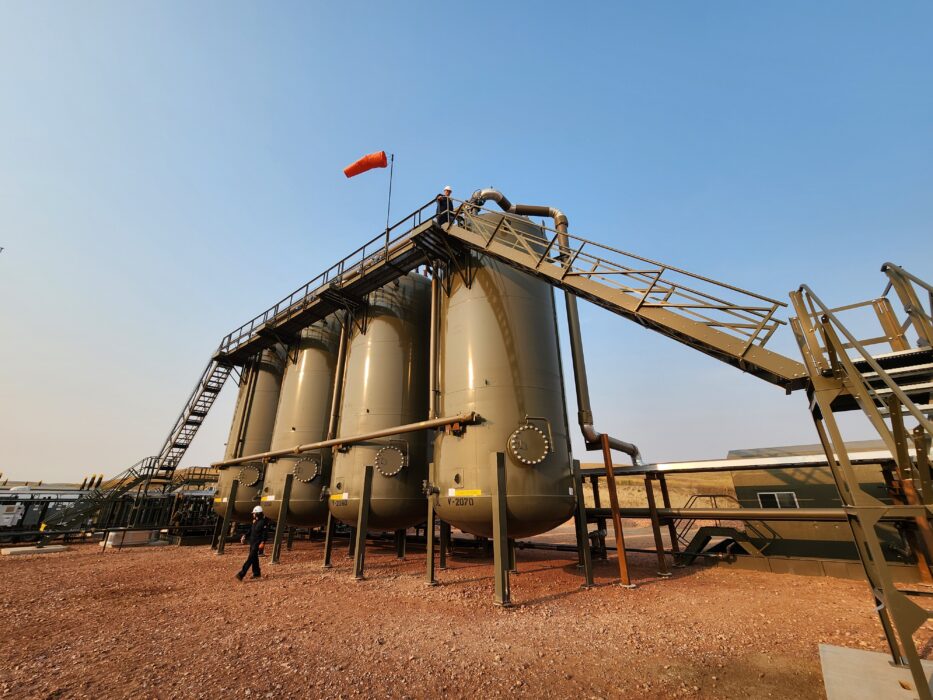
Anvil produced a complete, engineer-of-record package ready for construction. Civil drawings covered foundation layouts for all equipment. Structural designs were optimized specifically for fabricator constructability, with the goal of reducing overall construction costs downstream. On the electrical side, wiring and power packages were developed to significantly cut the amount of in-ground trenching required compared to a standard facility build.
The piping and instrumentation packages satisfied both the client’s process safety requirements and the government’s minimum EPA emissions standards. Facility layout was designed with constructability at the forefront, targeting a reduction in total days on site during the build.
Anvil has successfully delivered this full suite of deliverables for this same client across multiple projects over the last several years including other cost reduction innovations such as a recent engagement where we redesigned a minimum emissions facility that made use of the client’s existing inventory of excess skids to reduce their capital expenditure project.
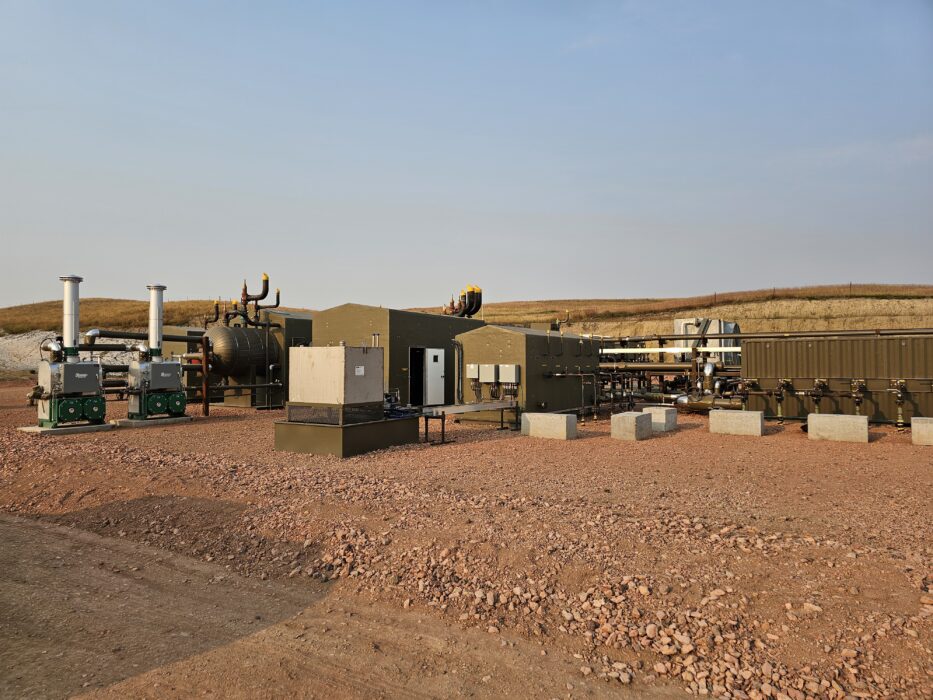
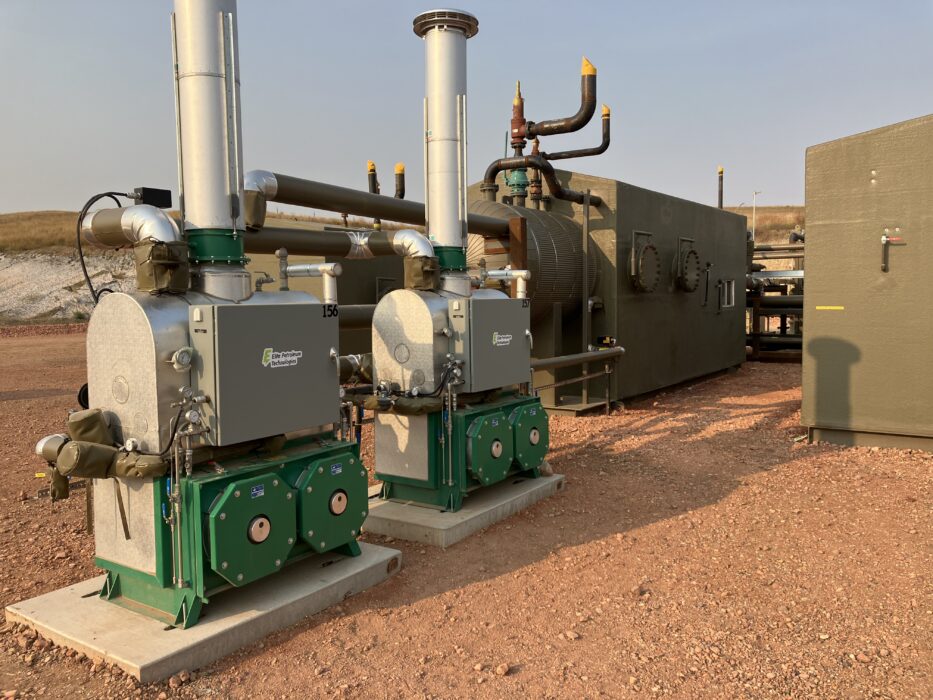
– Fully OOOOa/b (QuadO) compliant facility for reduction of methane and other harmful air pollution including VOC’s
– Emissions reduced significantly below regulatory limits via innovative, low-cost changes to equipment designs
– Modularized equipment design for fabrication and delivery to site
– Fully remote-monitorable via instrumentation and controls, minimizing required on-site operations time
– Client-preferred suppliers and vendors used for bulk materials and controls equipment, reducing consumables cost via client price book
– Fully integrated procurement services resulting in significantly fewer missing equipment items and no delay to construction completion
– All deliverables provided to client in advance of construction kickoff
– CPI score: 1.01