Sulfur Recovery and Tail Gas
Utah
Industry
Energy
Services
Energy Efficiency & Emissions
Advanced Industrial Controls
Key disciplines
Civil/Structural
Control Systems
Electrical
Mechanical
Piping
Process
Project Management
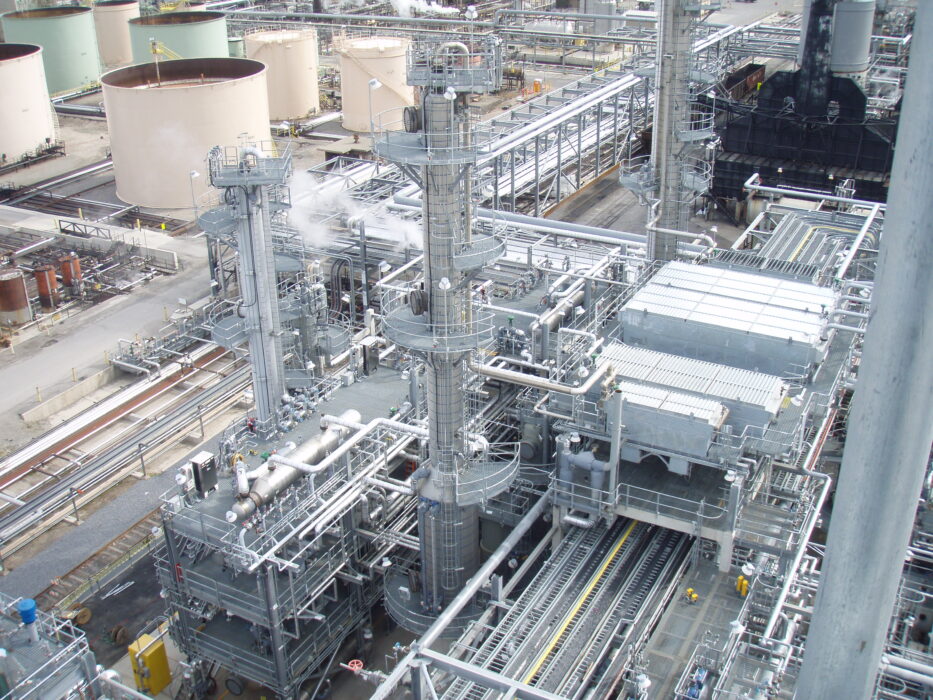
A refinery client had signed a New Source Review Consent Decree (NSR CD) with the U.S. Environmental Protection agency requiring that fuel gas H2S concentration be below 160 ppm by a certain date. However, the refinery would not be able to reduce their sour gas emission to comply with NSR CD requirement if their STG unit was shut down, so the client had to build a second STG unit, as one of three projects under the Sulfur Treatment and Relief Reduction (STARR) project and have it up and running by the end of the year, putting the project on tight deadline.
The Anvil team provided full engineering, design, procurement and field construction support services within the clients phased project execution process.
Oxygen Enrichment
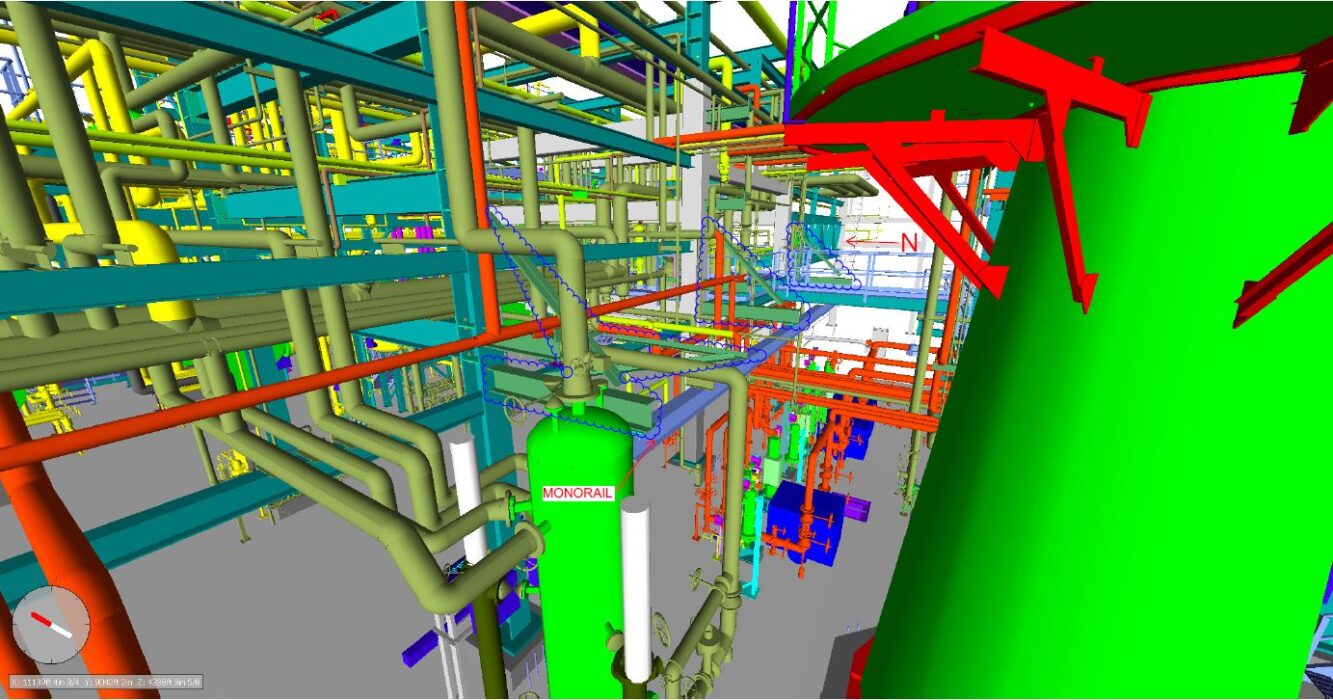
To reduce pressure drop through the sulfur train and double the capacity of the sulfur unit, Anvil engineered a design that used oxygen instead of air to the burner. The increased capacity allowed it to be used for future operations when processing more heavy/sour crude oils. In addition, our Anvil team performed the detailed design of the oxygen line to SRU2.
Safety Instrumented Systems (SIS)
Our Anvil solution included partnering with the client and vendors to design and implement the DCS and SIS solution for several complete refinery units, including Amine 2, SW 2, the new Coker Flare, SRU2, TGU2, and updates to LPG and associated tie-ins.
This included every conceivable control situation, from the oxygen-enhanced operation mode on the Claus Reactor in the SRU, to the Tailgas Incinerator monitoring and emergency shutdowns, to leak detection and critical flow monitoring in the high-H2S Hastelloy piping in the SWS.
This solution ensured that every new unit met or exceeded both industry and client standards for safe operation, of which SIS was a major part.
The STG unit was operational within a year due to the quality of the design, minimizing the construction schedule to meet the client’s rigorous schedule requirements and EPA’s New Source Review Consent Decree compliance.
In addition, with the new unit up and operating, the refinery was able to increase its processing capacity for heavier/sour crude oils as part of the refinery’s long-term business strategy.
The client considered the project to have met its major success targets without requiring a supplemental authorization request. The metrics, reflecting both engineering cost and percentage of TIC and engineering hours as a percentage of construction hours.
These metrics were outstanding, especially considering the context within which the project was executed. In addition, no serious injuries occurred to any workers.
– Engineering Hours: 178,291
– Client benchmarked the STARR/STG projects to the in the top 25% of all of their capital projects worldwide
– Detailed Design CPI Score: .98
Major Equipment Installed:
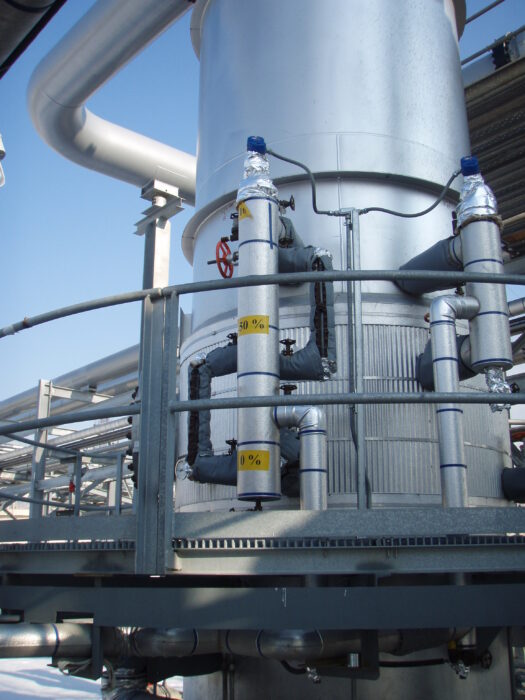
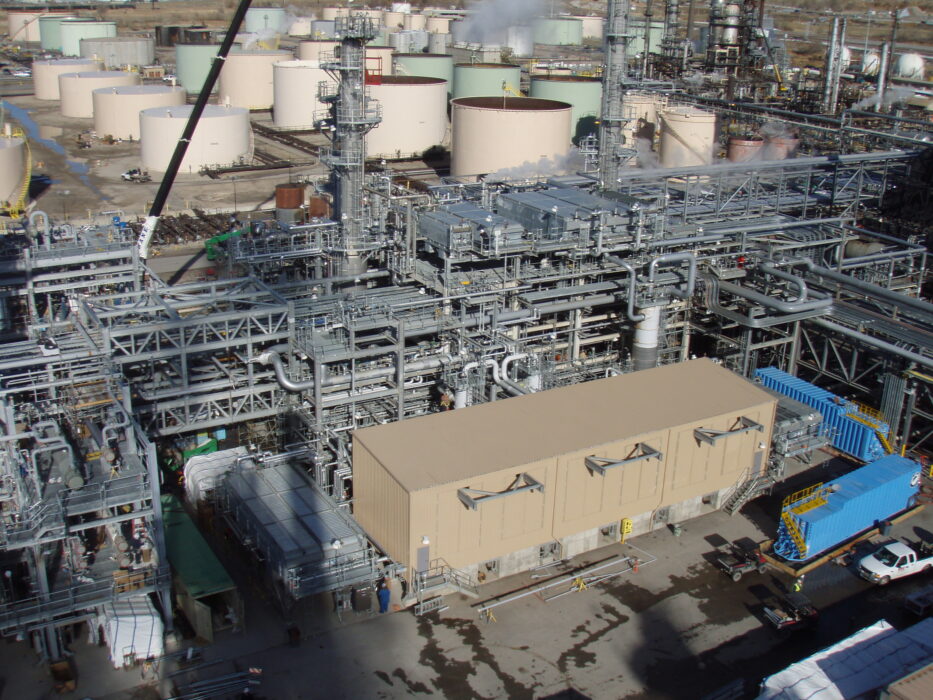
– Sulfur Recovery unit, including a sulfur pit and incinerator
– Tail Gas unit
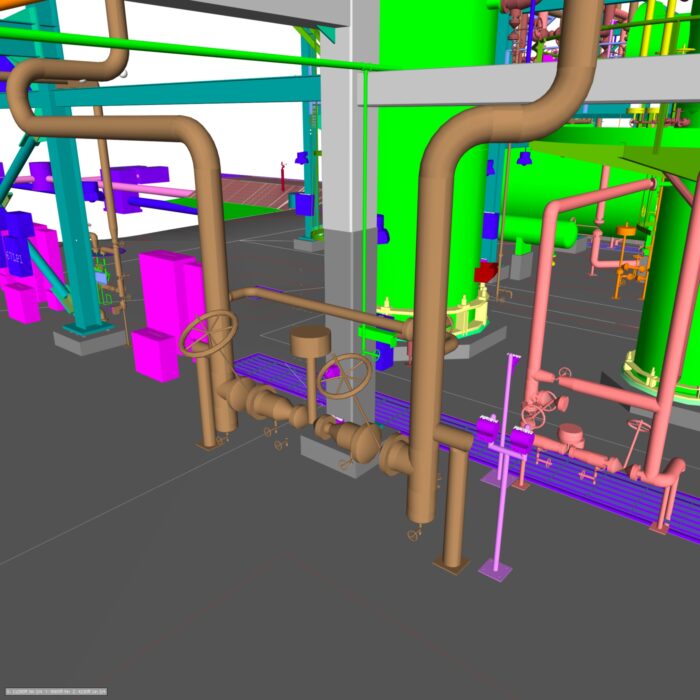
– Pipeways
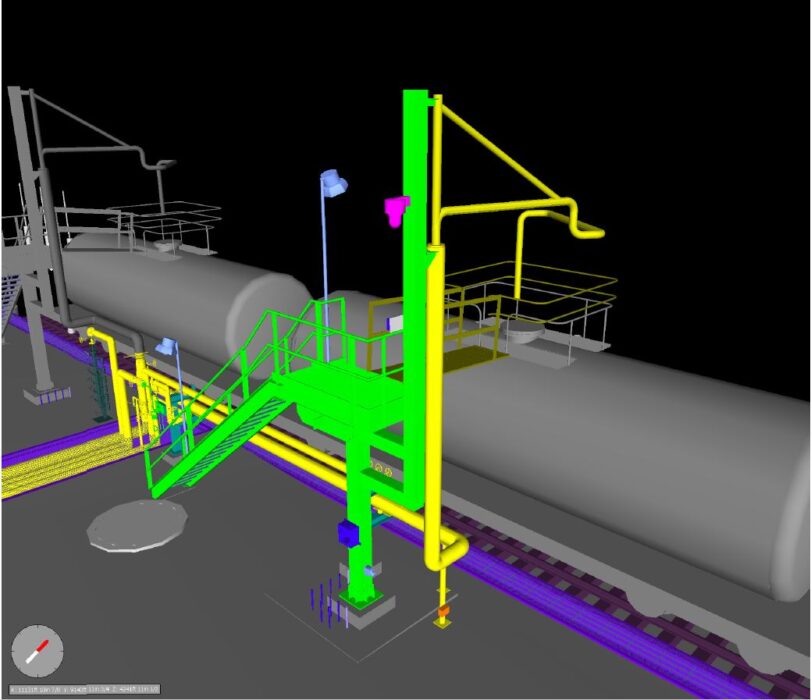
– Offplot areas, including sulfur loading stations, rail extension, PLC, UPS building, WSC substation, and a cooling water pump