Flares Control Performance and Decontamination Improvement
Washington State
Industry
Energy
Services
Energy Efficiency & Emissions
Key disciplines
Civil/Structural
Control Systems
Electrical
Piping
Process
Procurement
Project Management
A refinery client experienced an event where a surge of wet chemical-laden gases moved through one of the refinery’s flare systems and extinguished the flare pilot flames. As a result, unburned chemicals were released into the atmosphere. The client needed a solution that would improve the reliability, safety and performance of the flare system.
The refinery client awarded Anvil a flares control performance and decontamination improvement contract. To streamline the engineering and field execution efforts, the overall scope was divided into a flares controls project and a separate decon (piping) project. The objective of the overall contract was to revamp the aspirating steam and decontamination systems of the refinery’s north and south flare systems.
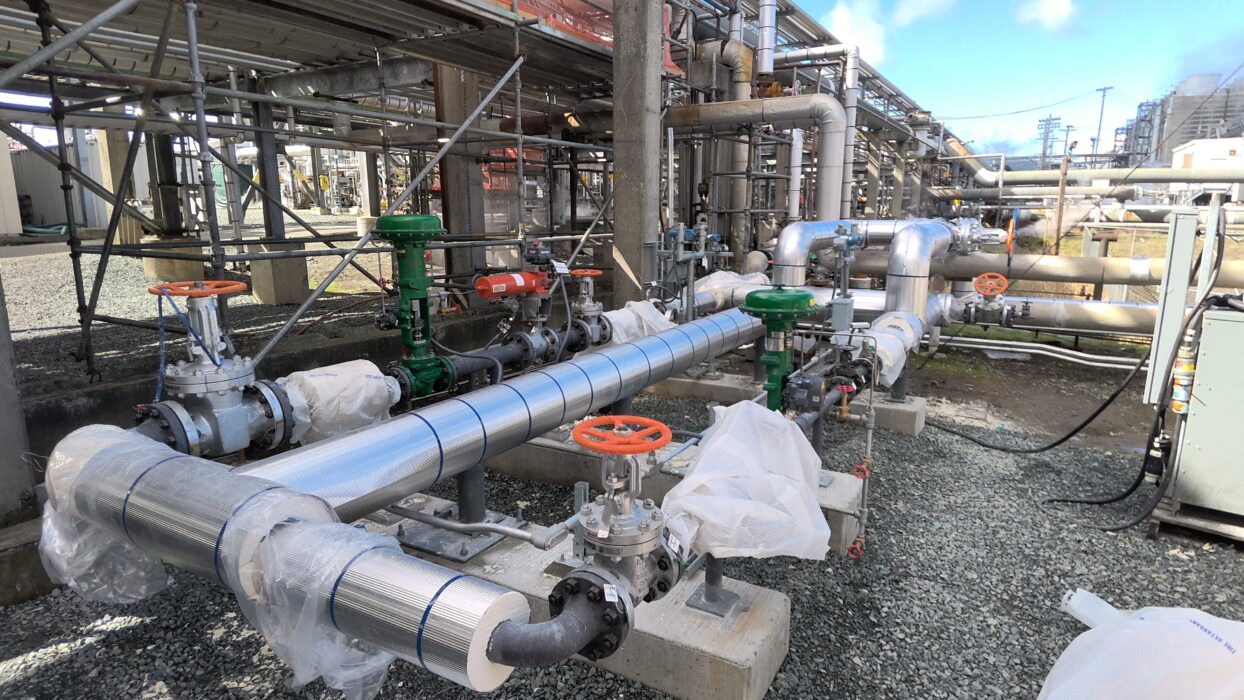
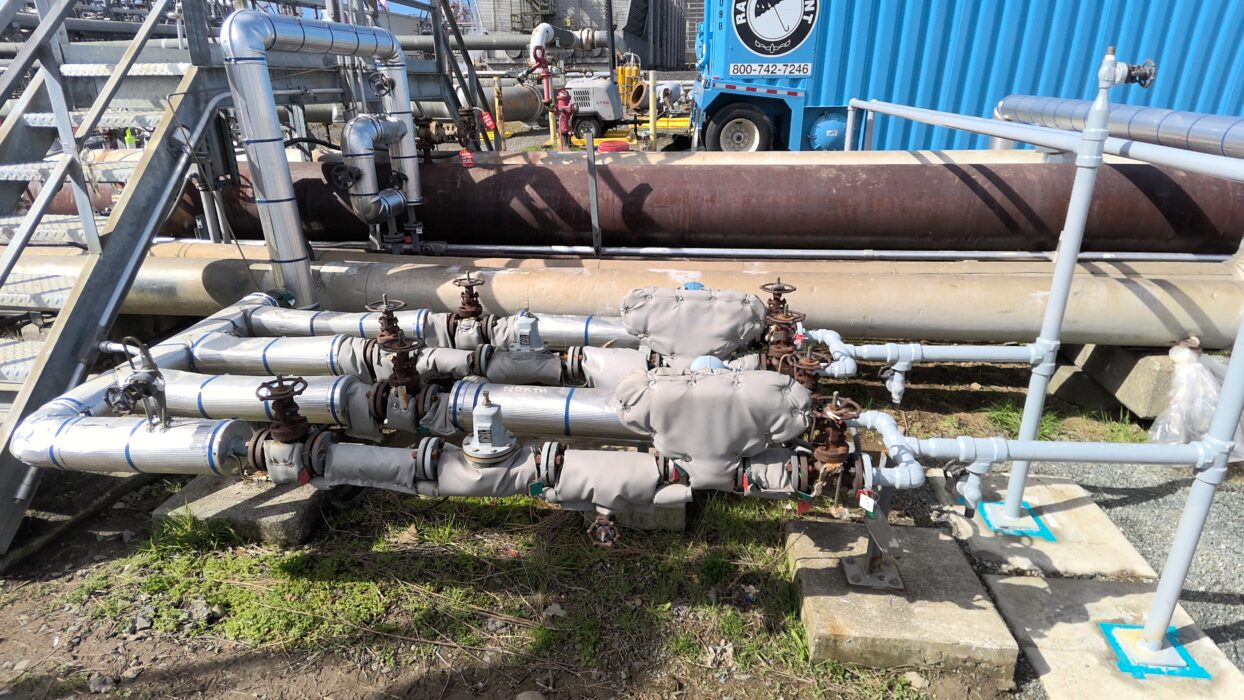
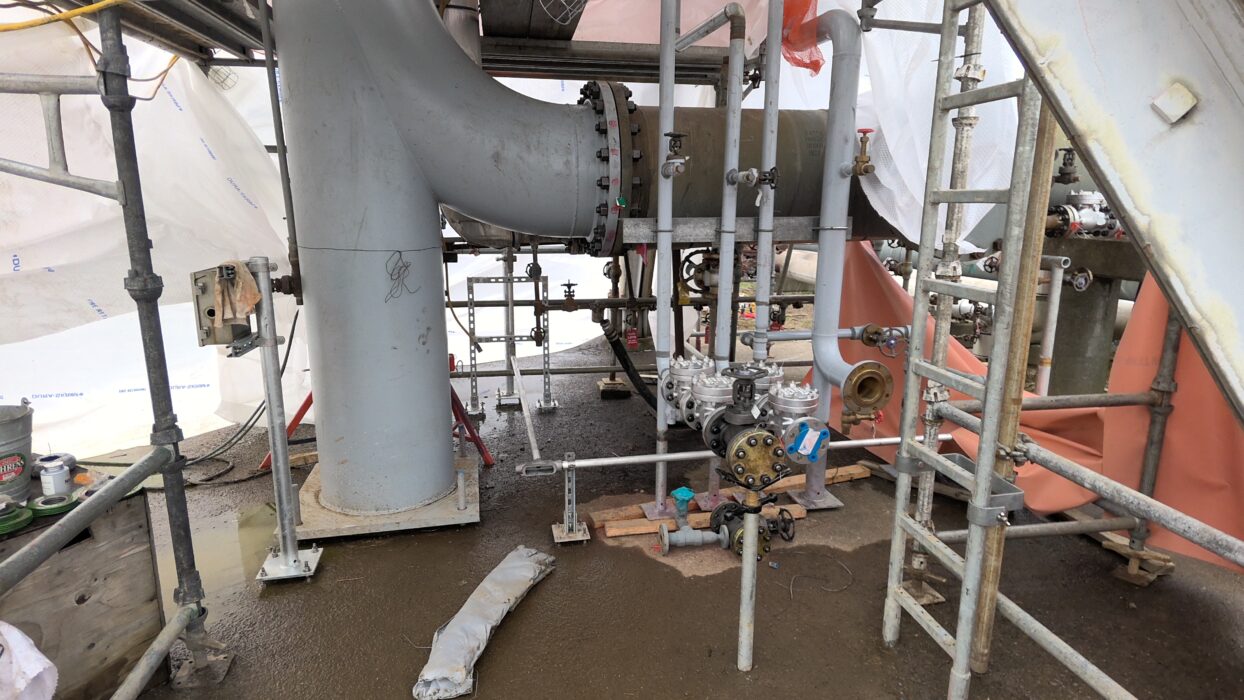
To improve the performance of the refinery’s north and south flare systems, isolation and decon facilities were installed along with new instrumentation and control valves. Steam control systems, for example, were replaced with more accurate Coriolis flow meters and control valves.
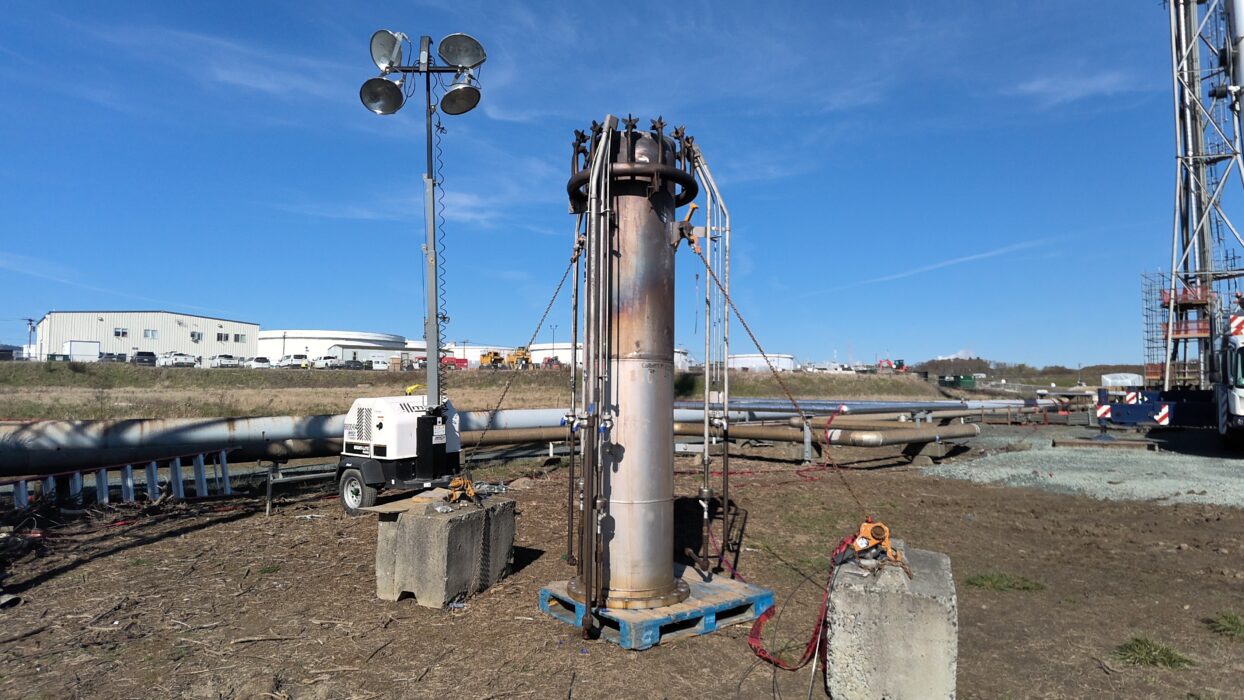
In addition, upgraded equipment improved flame combustion for smokeless operations, meeting all required environmental regulatory requirements. The equipment included a new Flame Front Generator (FFG) packaged unit, new regulator to stabilize supply pressure to FFGs, and new temperature monitoring instruments for flare pilots.
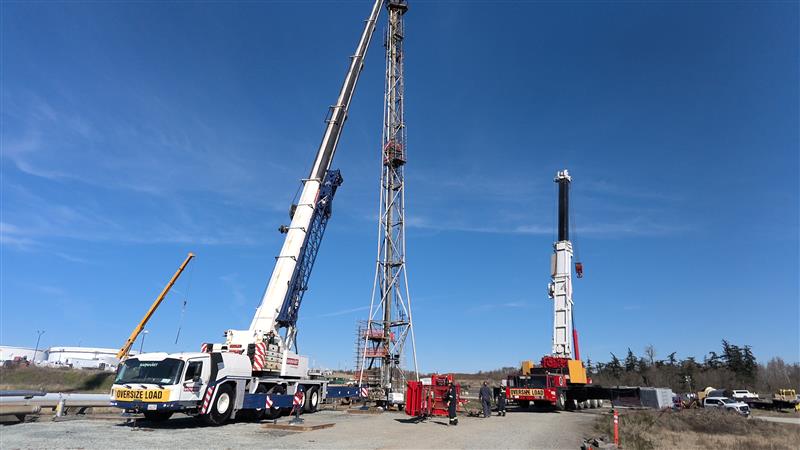
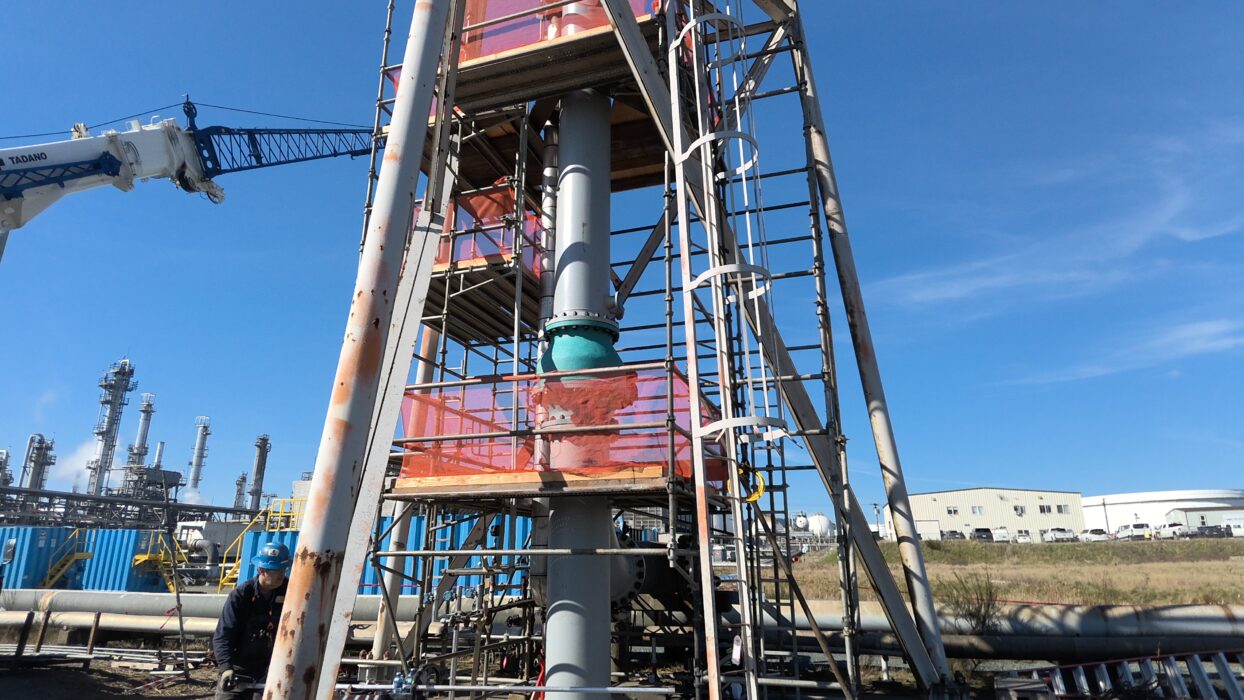
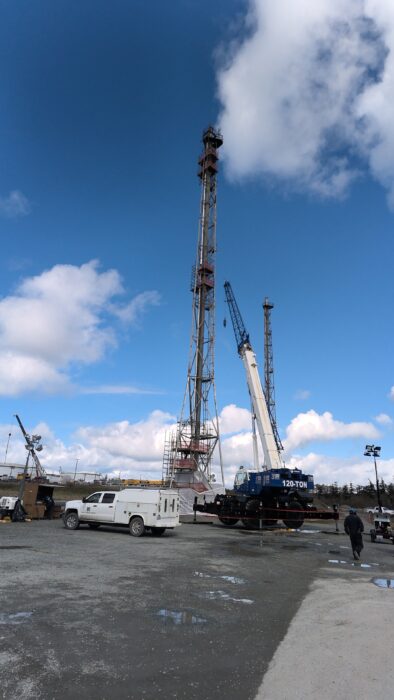
Highly complex critical flare stack rigging/lifting was required within the constraints of the derrick structures of both flare stacks to replace spools at the base of each flare stack.
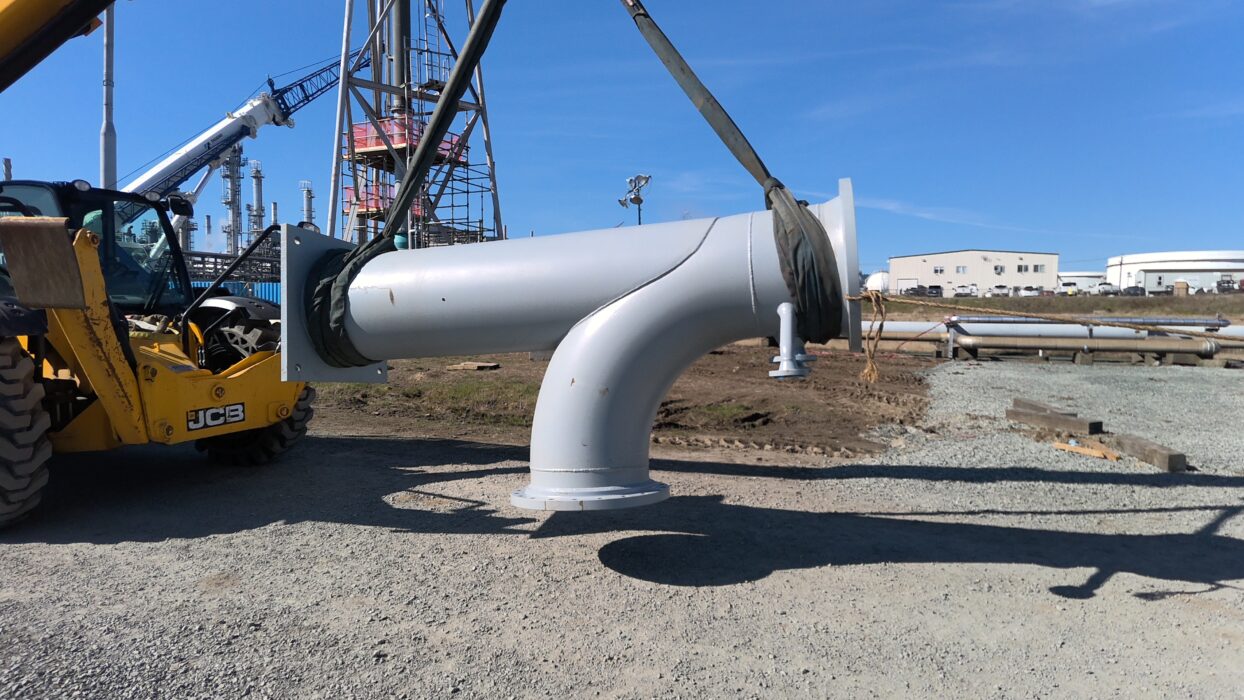
The Anvil team solved this complex problem using Barnhart-exclusive Moving Counterweight Cantilever System (MCCS) equipment, most notably for the new 24” decon isolation ball valve spools at the base of each flare stack to carefully and precisely maneuver the old spool pieces out and the new spool pieces in. The new decon isolation ball valves will prevent unwanted components from exiting the flare stack during future decontamination activities.
All scope items were executed successfully within the refinery’s turnaround schedule without threatening the outage critical path with no safety/environmental incidents and within the project planned budget. The project performance was significant enough to be awarded Best Private Project <$10 MM by NWCCC.
– Steam control manifolds/systems.
– Flame front generator (FFG) for flare pilots.
– Temperature monitoring instruments and purge lines.
– Manually operated 24” full-bore ball valve at the base of the flare stacks for isolation.
– Several small bore utility systems for decontamination.
– Hose connections for nitrogen, drains and steam-out.
– Connections to install relief devices around the liquid knock-out drums during decon.
– Final Installed Cost: $4.8M (original budget was $6.6M)
– Actual Completion: April 2024 (within original schedule)
– Detailed Design CPI Score: 1
– OSHA Incident Rate: 0.0
– Lost Workday Cases: 0.0

2024 NWCCC Award for Best Private Project < $10MM
Client, Project Manager